


SURGERY OVERVIEW
Pancreas Surgery
Pancreatic disease is often difficult to diagnose and treat. Our highly skilled team can:
- Provide you with a thorough workup to establish a diagnosis, stage the disease, and determine the best treatment options.
- Give you robot-assisted pancreatic surgeons who are knowledgeable and skilled with these techniques
- Offer advanced surgical procedures that improve patient outcomes

PANCREATITIS
What is Pancreatitis?
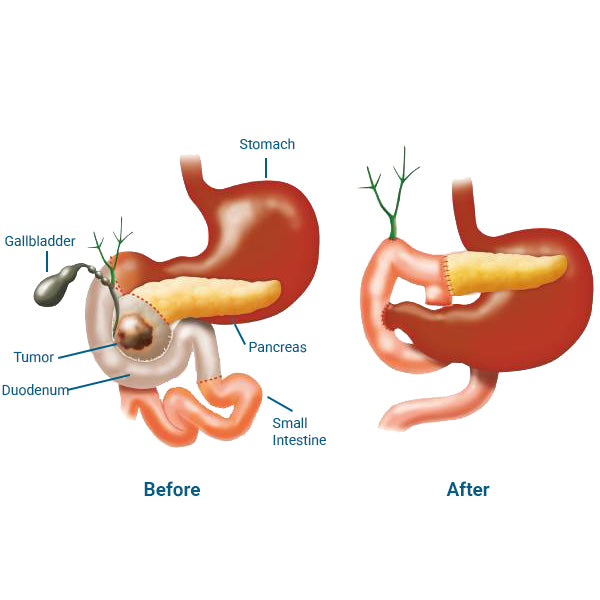
The pancreas is an organ that serves multiple functions, including the release of endocrine hormones and digestive enzymes. Abnormal growths in the pancreas often require surgery. Occasionally, complications from pancreatitis require surgical management as well.
PANCREATITIS
Typical Symptoms
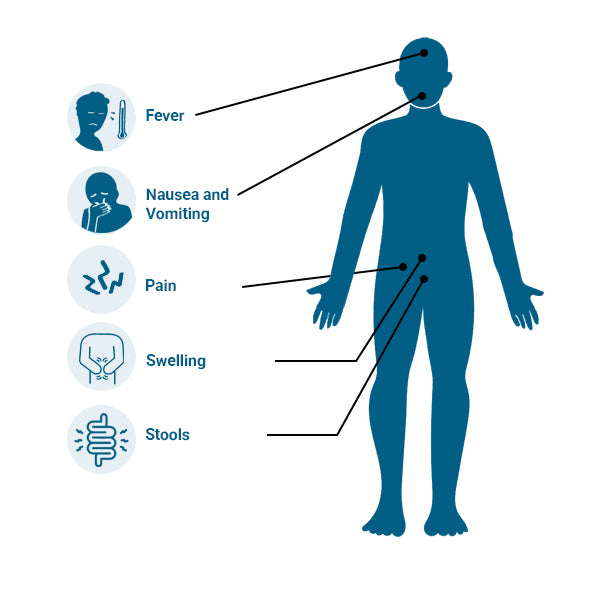
- Fever and Other symptoms: Fever, rapid heart rate, sweating, bloating, indigestion, and weight loss may also occur.
- Nausea and vomiting: These symptoms may occur along with the pain.
- Pain: Severe pain in the upper abdomen that may spread to the back or chest. The pain may be worse after eating or drinking, and may worsen when lying down.
- Swelling: The upper abdomen may feel swollen, tender, or distended.
- Stools: Stools may be clay-colored, greasy, foul-smelling, or fatty.
PANCREATITIS
Atypical Symptoms
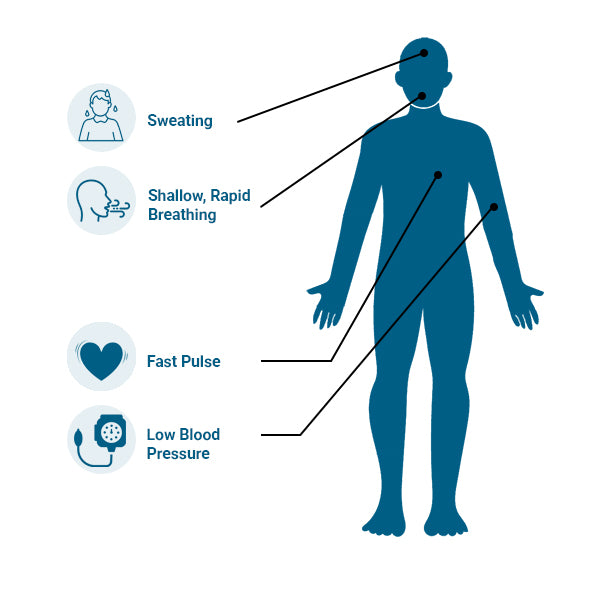
- Sweating
- Shallow, rapid breathing
- Fast pulse
- Low blood pressure
PANCREATITIS
Diagnosis
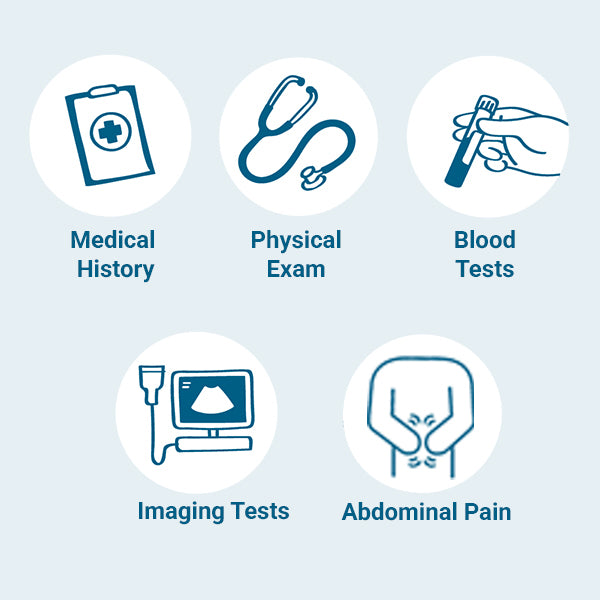
A doctor may also inquire about your symptoms and family history, as well as perform an abdominal examination. Pancreatitis is diagnosed when at least two of the following three criteria are met:
- Reviewing your medical history: This includes your dietary habits.
- Performing a physical exam: This may include a rectal exam.
- Blood test: A lipase or amylase level that is at least three times higher than normal.
- Imaging: A cross-sectional imaging test, such as a CT scan or MRI, that shows features consistent with pancreatitis.
- Abdominal pain: Pain that is consistent with pancreatitis.
PANCREATITIS
Treatment
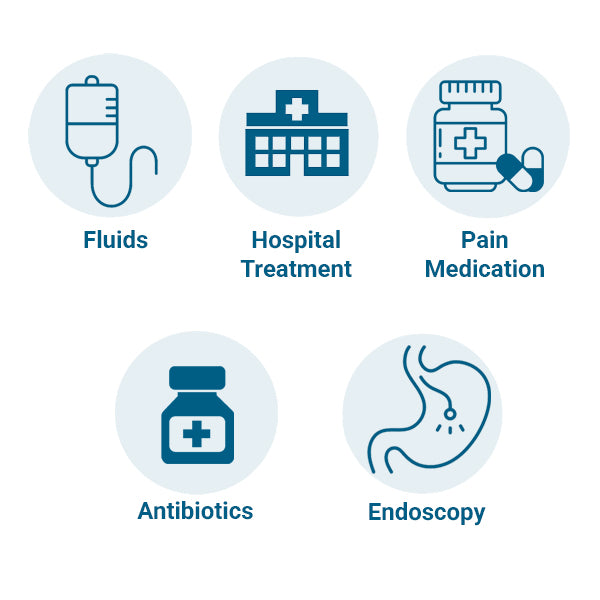
- Fluids: Intravenous (IV) fluids are given to keep the patient hydrated.
- Hospital Treatment: Pancreatitis is usually treated in the hospital to provide supportive care.
- Pain medication: Pain medication is given to relieve the severe pain that pancreatitis can cause.
- Antibiotics: Antibiotics may be given to treat pancreatitis.
- Endoscopy: An endoscope is a long, flexible tube that is inserted through the mouth and throat to examine the pancreas and bile ducts.
PANCREATITIS
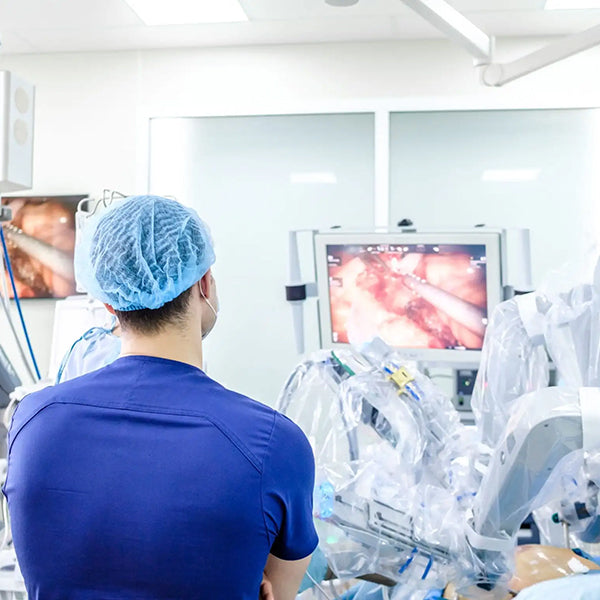
Robotic Pancreatic Surgery
Surgery on the pancreas is rarely indicated for acute pancreatitis itself, but rather may be necessary to treat complications from severe cases.
In those cases, a collection of fluid can form around the pancreas, called a pseudocyst. At times, pseudocysts can become symptomatic and cause pain, obstruction, or bleeding. Many pseudocysts will resolve without intervention, but others may require endoscopic or surgical management. In most severe cases, pancreatic tissue itself can die off, a process called necrosis. When this occurs, the body may wall off the area of necrosis and form a collection similar to that seen with a pseudocyst. Some patients may develop an infection in the area of pancreatic necrosis. In these cases, intervention is paramount to healing. Unfortunately, some patients may develop chronic pancreatitis, causing pancreatic insufficiency and chronic pain. Smoking, alcohol use, and genetic factors can predispose people to the development of chronic pancreatitis. In certain situations, pancreas surgery in Ramsey NJ can be an option for management.

PANCREATITIS
Pancreatic Surgery
Pancreatic disease is often difficult to diagnose and treat. Dr. Pozzessere can:
- Provide you with a thorough workup to establish a diagnosis, stage the disease, and determine the best treatment options.
- Give you robot-assisted pancreatic surgeons who are knowledgeable and skilled with these techniques
- Offer advanced surgical procedures that improve patient outcomes
