


SURGERY OVERVIEW
Gallbladder Surgery
Experiencing sharp pain in your abdomen, indigestion, fever, and yellow skin? With Gallbladder Surgery, we can:
- Decrease scarring and incisional pain
- Shorten the hospital stay from 1 week to less than 24 hours
- Have faster functional recovery

GALLBLADDER DISEASE
What is Gallbladder Disease?
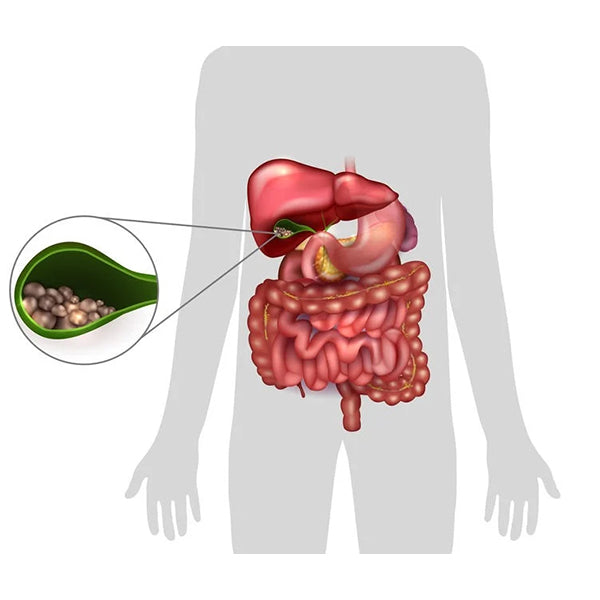
Occasionally, cholesterol and bile in the gallbladder can mix together and form gallstones. If a gallstone blocks the opening of the gallbladder to the bile duct when the gallbladder squeezes, it produces pain and nausea. This is referred to as biliary colic or symptomatic cholelithiasis (gallstones). Symptoms typically occur within 1-2 hours of eating a fatty meal and resolve without intervention, as the stone falls away from the opening and the blockage is removed. However, if the symptoms do not resolve, you may need the best gallstone or gallbladder surgery in Ramsey, NJ.
GALLBLADDER DISEASE
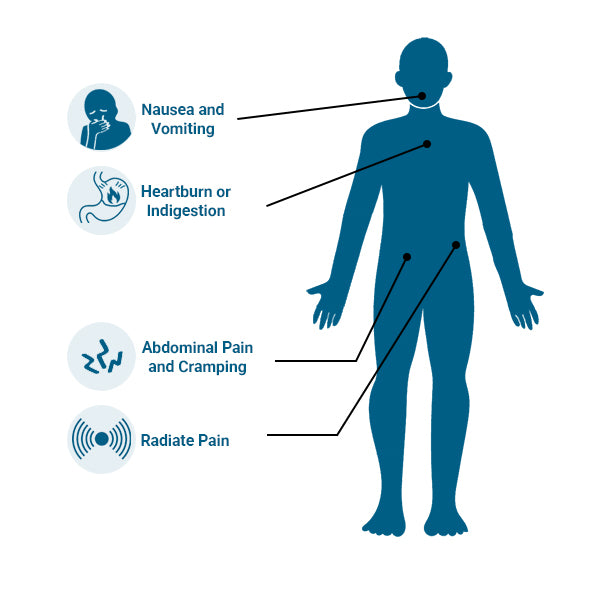
Typical Symptoms
- Nausea and/or vomiting
- Heartburn or indigestion
- Abdominal pain after eating, typically located in the middle of the upper abdomen or right side of the upper abdomen
- Radiate pain around the side towards the back
GALLBLADDER DISEASE
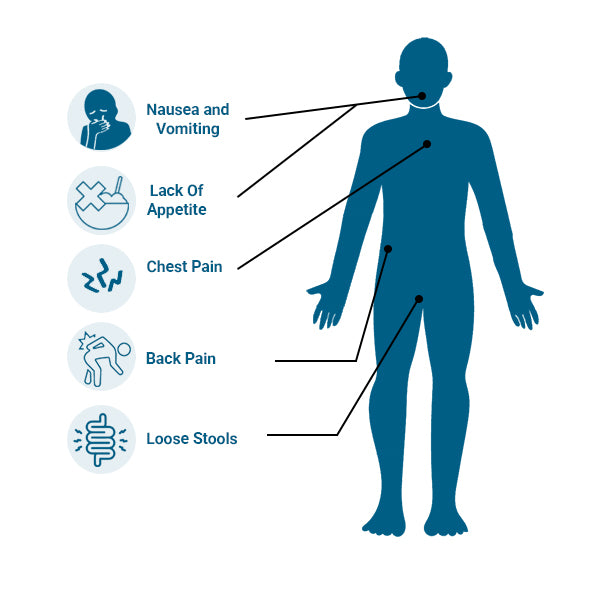
Atypical Symptoms
- Nausea or vomiting: Nausea or vomiting alone can occur, without any pain.
- Lack of appetite: A lack of appetite can occur without realizing it's related to gallbladder disease.
- Chest Pain: Pain on the lower right side of the chest can occur, but is usually accompanied by other symptoms.
- Back pain: Bilateral back pain can occur.
- Loose stools: Loose stools after eating can occur, sometimes explosively.
GALLBLADDER DISEASE
Diagnosis
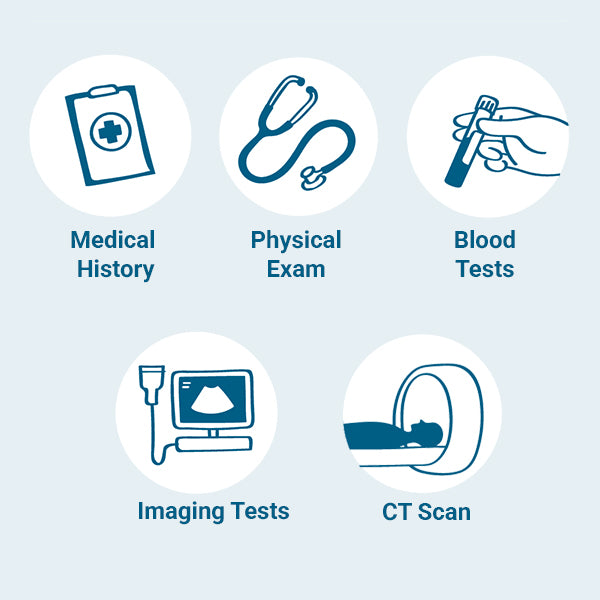
A gallbladder diagnosis can involve a physical exam, a discussion of symptoms and medical history, and a variety of tests. These tests may include:
- Reviewing your medical history: This includes your dietary habits.
- Physical exam: A healthcare provider will gently press on your upper right abdomen. If this is painful, it's a classic sign of cholecystitis, also known as gallbladder inflammation.
- Blood tests: These can look for signs of infection, jaundice, pancreatitis, or other complications.
- Abdominal ultrasound: A noninvasive test that uses a transducer to create images of the gallbladder and bile ducts.
- CT scan: A computerized tomography scan that can create images of the gallbladder and bile ducts.
GALLBLADDER DISEASE
Treatment
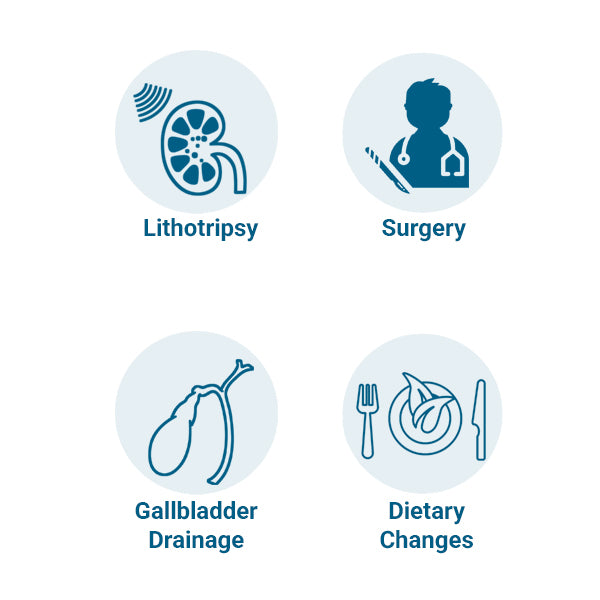
- Lithotripsy: A special machine that uses soundwaves to shatter gallstones. This treatment is usually reserved for stones stuck in the bile duct.
- Surgery: Gallbladder removal surgery, also known as a cholecystectomy, is the only treatment that cures symptomatic gallstones. The gallbladder is not an essential organ, so people can lead normal lives without it. The most common type of gallbladder removal surgery is a laparoscopic cholecystectomy, which is a minimally invasive procedure that involves making a few small incisions in the abdomen.
- Gallbladder drainage: A procedure that can remove infection if surgery to remove the gallbladder is not possible.
- Dietary changes: Eating more fiber and healthy fats, and fewer refined carbohydrates and sugar can help.
GALLBLADDER DISEASE
Laparoscopic Gallbladder Surgery
Laparoscopic or robotic gallbladder surgery is the minimally invasive procedure commonly performed on the gallbladder. These techniques may make up to four small abdominal incisions, thus reducing the patients’ hospital stay.
Robotic Gallbladder surgery lasts approximately one hour. Some patients may go home the same day of surgery, and others may require overnight hospitalization. After gallbladder surgery, patients may resume their normal daily activities with minimal restrictions. A few patients may experience diarrhea after having gallbladder surgery, but most do not. Of those who do, diarrhea typically resolves with time. Most patients feel completely recovered and are back to normal activity by 1-2 weeks after gallbladder surgery.

GALLBLADDER DISEASE
Gallbladder Surgery
Experiencing sharp pain in your abdomen, indigestion, fever, and yellow skin? With Gallbladder Surgery, Dr. Pozzessere can:
- Decrease scarring and incisional pain
- Shorten the hospital stay from 1 week to less than 24 hours
- Have faster functional recovery
