


SURGERY OVERVIEW
Colorectal Surgery
No more abdominal discomfort and cramps, blood in stools, change in bowel habits and abdominal pain. With our skilled team, we can:
- Identify the signs and symptoms of colorectal cancer
- Provide you with a variety of treatment options
- Improve the quality of your life
DIVERTICULAR DISEASE
What Are The Diseases Of The Colon?
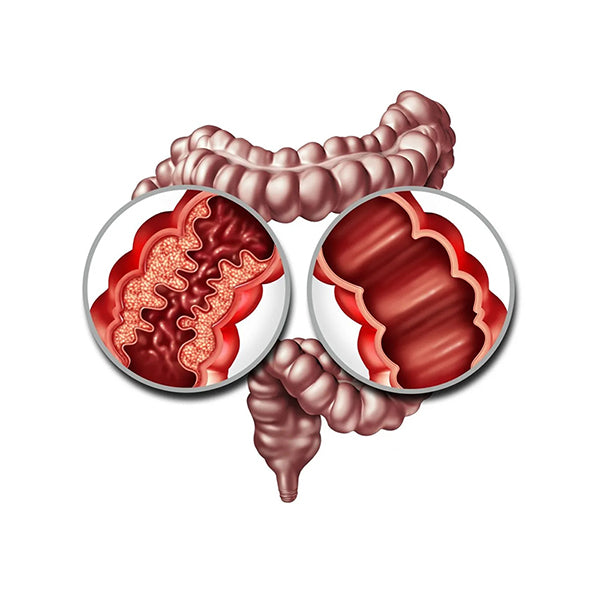
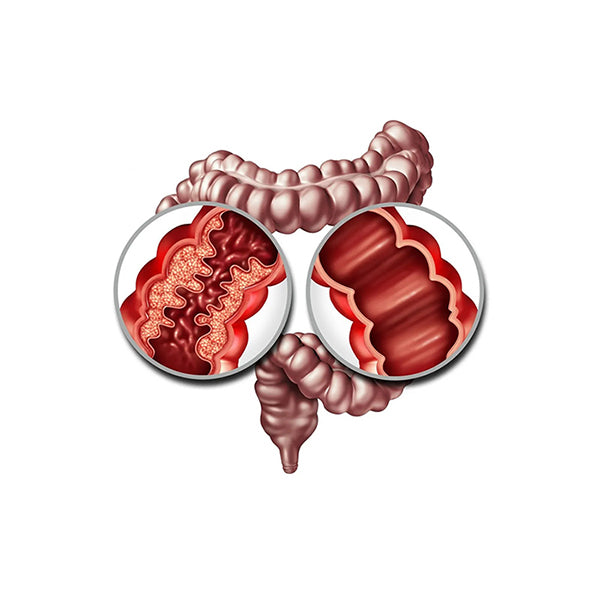
Diverticulosis describes a condition where small outpouchings develop on the wall of the colon. These occur most commonly in the sigmoid colon (just before the rectum) but can develop anywhere in the colon. Diverticula are very common, and the likelihood of having diverticulosis increases substantially as we age. However, not everyone with diverticulosis becomes symptomatic. Problems occur if a person with diverticulosis develops bleeding from the diverticulum, inflammation, or obstruction.
DIVERTICULAR DISEASE
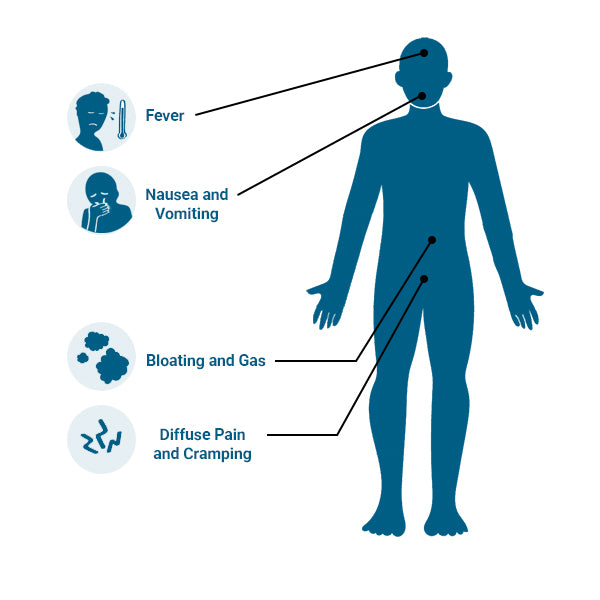
Typical Symptoms
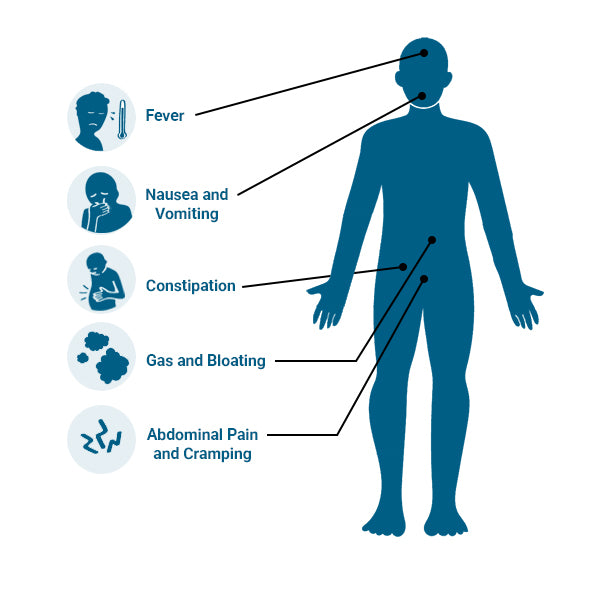
- Fever: A fever or chills
- Nausea and vomiting: These are common signs of a digestive tract issue.
- Constipation or diarrhea: You might experience constipation or diarrhea, or both.
- Flatulence: Passing gas
- Pain: The most common symptom is pain in the lower left abdomen. The pain can be sudden and intense, or it can be mild and gradually worsen.
DIVERTICULAR DISEASE
Atypical Symptoms
- Fever and Chills: A serious sign that requires immediate medical attention.
- Nausea and vomiting: These are common signs of a digestive tract issue.
- Bloating: A symptom that can occur in patients with giant colonic diverticula
- Diffuse pain: Pain that is spread throughout the abdomen.
DIVERTICULAR DISEASE
Diagnosis
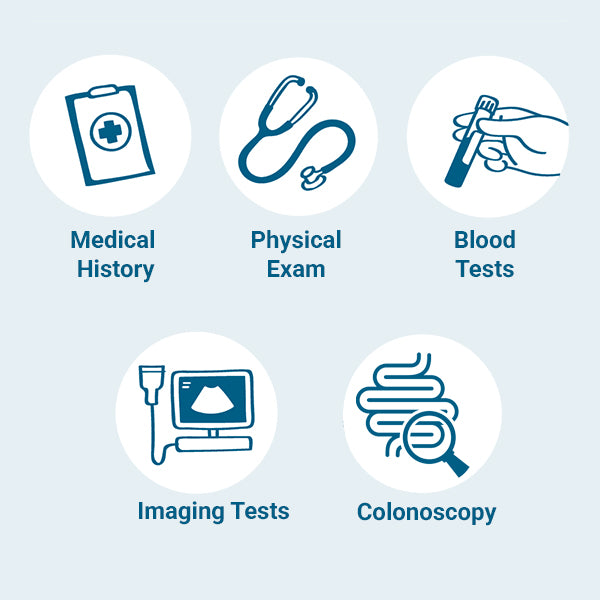
Doctors diagnose diverticular disease by reviewing your medical history, conducting a physical exam, and ordering tests. These tests may include:
- Reviewing your medical history: This includes your dietary habits.
- Performing a physical exam: This may include a rectal exam.
- Blood tests: To check for signs of infection.
- Imaging tests: Such as a CT scan, ultrasound, or MRI.
- Colonoscopy: To confirm a diagnosis and rule out other conditions.

DIVERTICULAR DISEASE
Treatment
- Home treatment: For mild cases, a doctor may recommend antibiotics, a clear liquid diet, and pain medication.
- Hospital treatment: Severe cases or cases with complications may require immediate medical attention and hospitalization.
- Surgery: If the bowel wall has ruptured or become obstructed, or if the infection doesn't improve, surgery may be necessary.
- Long-term antibiotics: A mild antibiotic may be prescribed to prevent further attacks.
- High-fiber diet: Eating more fiber can help ease symptoms of diverticular disease.
DIVERTICULAR DISEASE
Robotic Colorectal Surgery
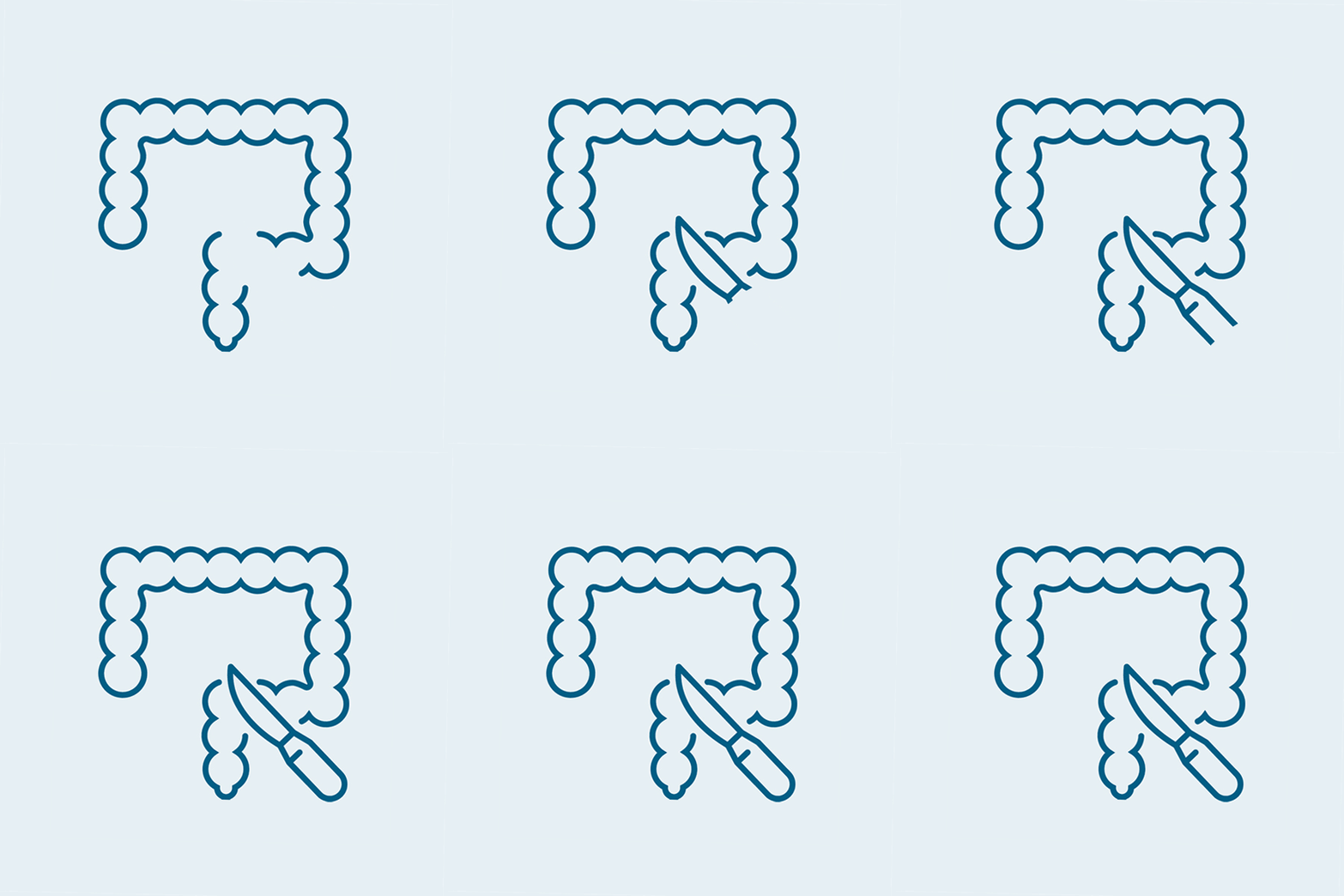
In many cases, surgery to remove a portion of the colon can be safely performed with robotic surgery or laparoscopy (minimally invasive surgery), allowing for less pain, quicker recovery, and shorter hospital stay.
When a segment of the colon is removed, the remaining ends are reconnected, called an “anastomosis.” In some emergency cases, contaminated conditions inhibit proper healing of this reconnection, and a temporary ostomy may be required. An ostomy is commonly known as a “bag” on the skin. In this situation, rather than reconnecting the ends of the remaining colon, and risking poor healing and leakage, an end of the colon is brought up to the level of the skin to allow stool to empty into a bag. After the patient heals from their emergent condition and they are medically optimized, they can be brought back to surgery at a later date to safely reconnect the intestine. This procedure can often be completed with robotic surgery as well.

DIVERTICULAR DISEASE
Robotic Colorectal Surgery
Say goodbye to abdominal discomfort, cramps, blood in stools, changes in bowel habits, and abdominal pain. Dr. Pozzessere can:
- Recognize the signs and symptoms of colorectal cancer
- Offer a range of treatment options
- Enhance your quality of life
