


SURGERY OVERVIEW
Hernia Surgery
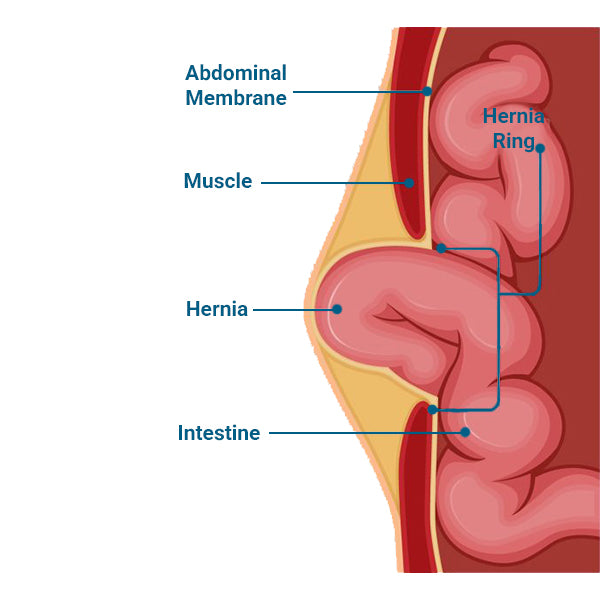
A hernia occurs when an organ or tissue protrudes through weak spots in the muscle walls, resulting in a bulge. Without treatment, patients are at risk of developing this life-threatening condition. If you are diagnosed with a hernia, it is important to consider hernia surgery as a treatment option.
- Restore the weakened area of your abdominal muscles
- Improve your ability to eat the food you like
- Lessen your need for medications to resolve your symptoms

Hernia
What is a Hernia?
A hernia is a condition where part of an internal organ or tissue bulges through a weak spot in the surrounding muscle or tissue wall, often appearing as a visible bulge or swelling, usually in the abdomen or groin area, and can cause discomfort or pain depending on the severity; most hernias require surgical repair to fix the weakened muscle wall.
Hernia
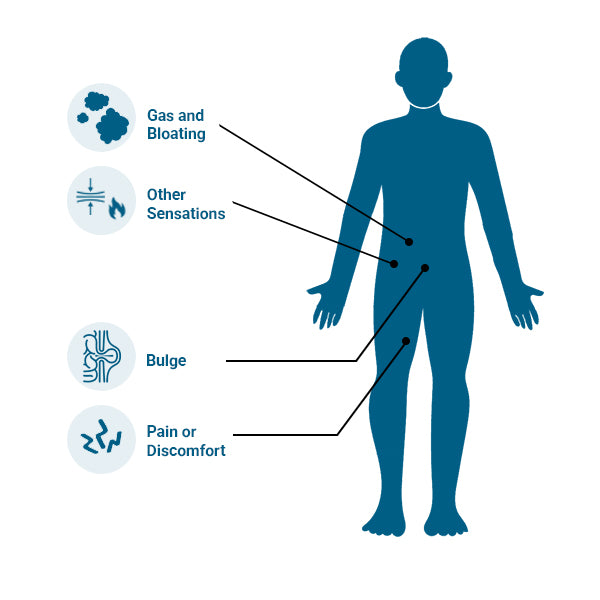
Typical Symptoms
- Gas and bloating: A hernia can trap gas in your gastrointestinal tract, causing gas and bloating.
- Other sensations: A feeling of pressure, burning, weakness, or heaviness in the abdomen or groin.
- Bulge: A visible lump or bulge in the abdomen, groin, or near the bellybutton. The bulge may be more noticeable when you strain, cough, or stand up.
- Pain or discomfort: A mild ache or pain in the abdomen or groin, especially when straining, lifting something heavy, or bending over.
Hernia
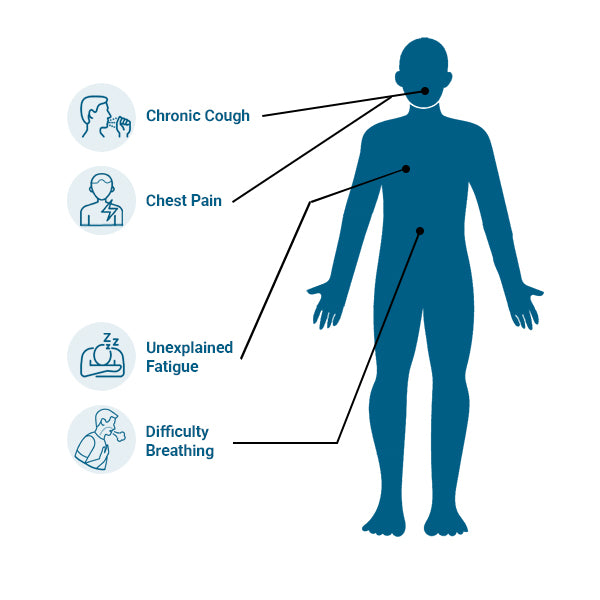
Typical Symptoms
- Chronic cough: A hiatal hernia can cause chronic coughing, especially at night, when stomach contents back up into the throat.
- Chest pain: A large hiatal hernia can cause chest pain that radiates to the arm, back, and neck, similar to a heart attack.
- Unexplained fatigue: A large hiatal hernia can cause chronic fatigue, especially after eating.
- Difficulty breathing: A large hiatal hernia can cause dyspnea, or difficulty breathing, especially after eating.
Hernia
Diagnosis
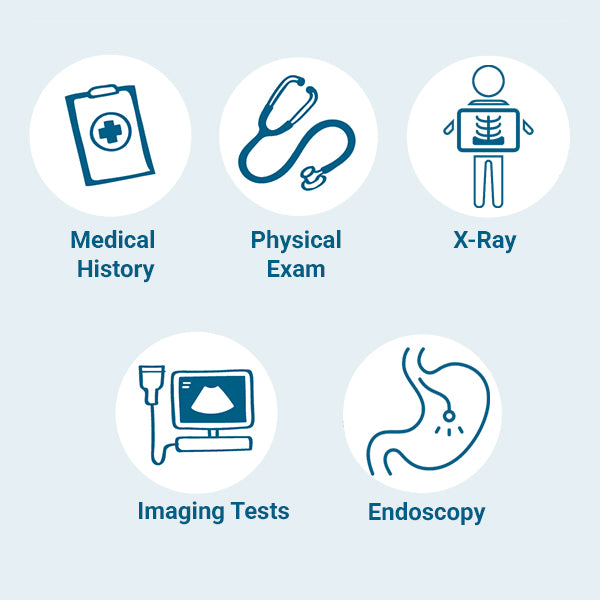
Once a diagnosis is made, the doctor will determine if surgery is required. The following tests may be considered:
- Reviewing your medical history: This includes your dietary habits.
- Performing a physical exam: A Doctor will feel and look for a bulge or swelling in the affected area.
- Barium X-ray or CT scan: A scan of the upper digestive tract may be performed.
- Imaging tests: Such as a CT scan, ultrasound, or MRI.
- Endoscopy: To confirm a diagnosis and rule out other conditions.
Hernia
Treatment
Surgery: Most hernias require surgery to repair the hernia and close the opening. There are several types of hernia surgery, including:
- Open repair: A surgeon makes an incision in the groin and pushes the hernia back into the abdomen.
- Laparoscopy: A surgeon makes a few small incisions and uses a thin scope with a camera to repair the hernia.
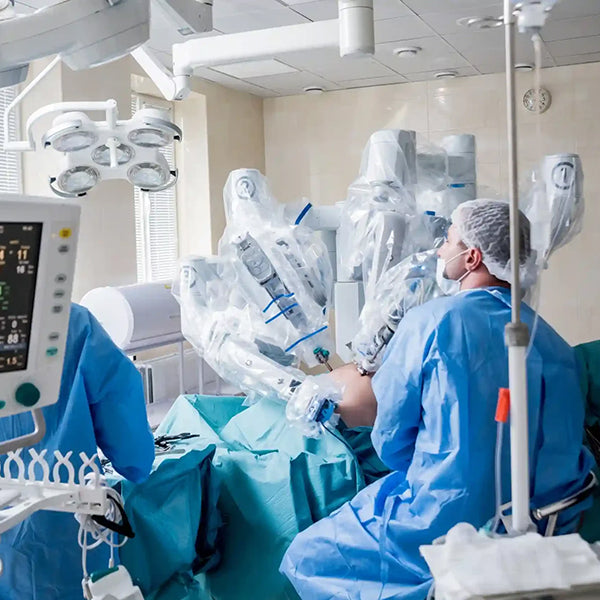
- Robotic-assisted repair: Similar to laparoscopy, but the surgeon controls robotic arms from a console in the operating room.
Hernia
Open Technique
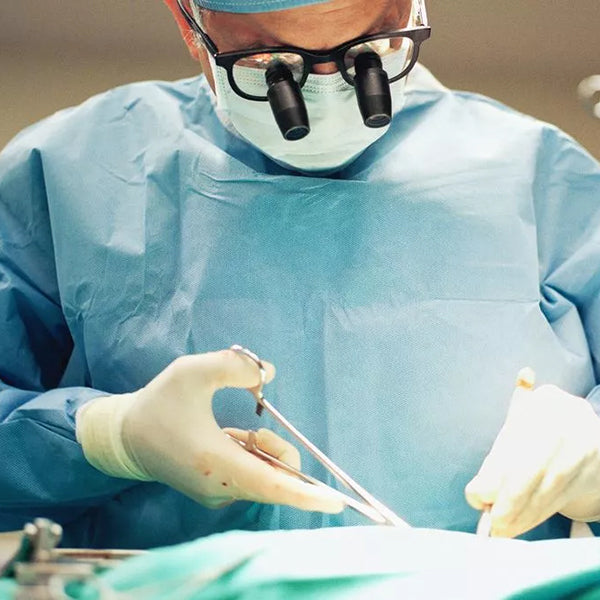
Traditionally, hernias are repaired with open surgery. In many instances, such as emergency cases and very large hernias, open surgery may be required. In this surgery, an incision is made overlying the region of the hernia. The contents of the hernia are either removed or placed back into the abdomen in their natural location, and sutures are placed to close the defect in the abdominal wall muscle layer. A mesh may also be placed to reinforce the repair and reduce the risk of recurrence.
Hernia
Minimally Invasive Techniques
Laparoscopy and robotic hernia surgery enables hernia surgeons to repair hernias with smaller incisions and allow for a less painful recovery than open surgery. Instruments are placed into the abdomen through small incisions and the hernia is repaired from behind by separating the muscle layers, rather than cutting through the abdominal wall. Mesh is routinely used with laparoscopic and robotic surgery for hernia repairs. For details on hiatal hernia surgery, please visit my page on Anti-reflux Surgery.

Hernia
Hernia Surgery
A hernia occurs when an organ or tissue protrudes through weak spots in the muscle walls, resulting in a bulge. Without treatment, patients are at risk of developing this life-threatening condition. If you are diagnosed with a hernia, it is important to consider hernia surgery as a treatment option. Dr. Pozzessere can:
- Restore the weakened area of your abdominal muscles
- Improve your ability to eat the food you like
- Lessen your need for medications to resolve your symptoms
